
1982 Investigation Into the Death of Marilyn Monroe
The Los Angeles District Attorney’s Review
Was Marilyn Monroe Murdered?
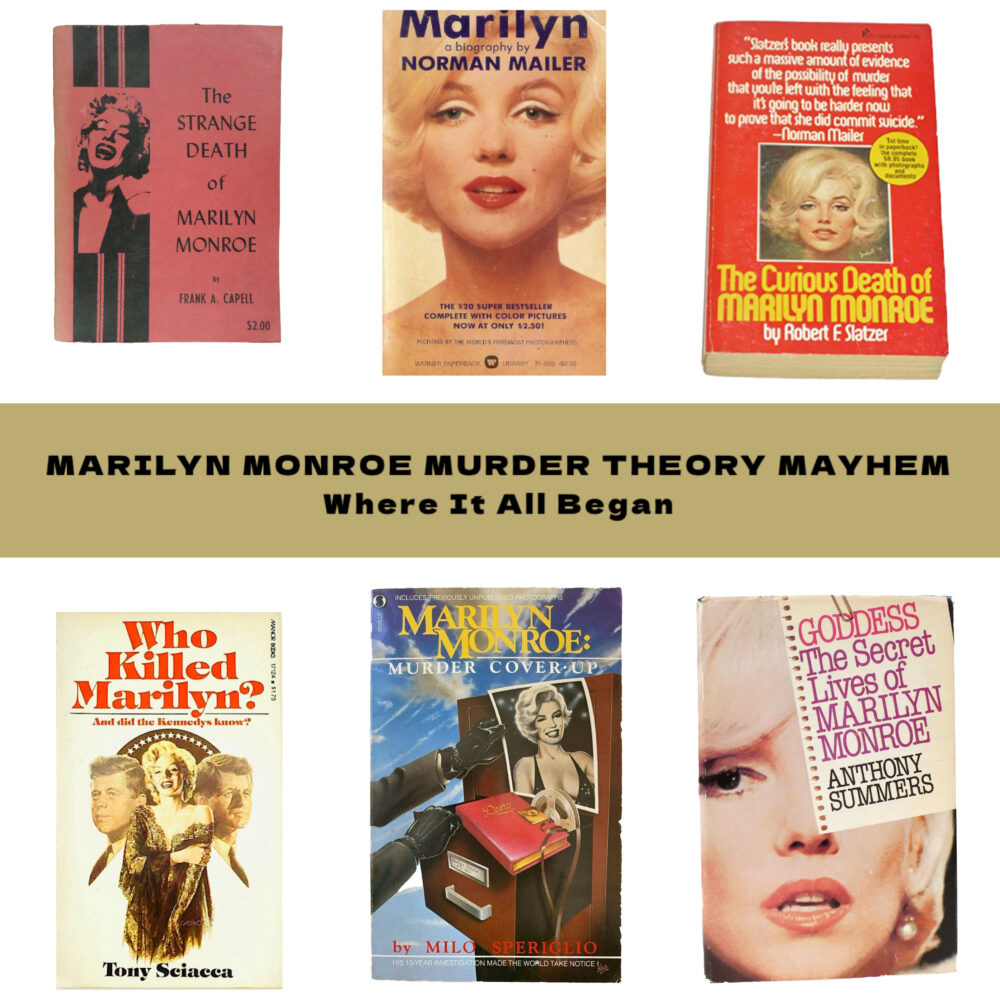
For decades, speculation and conspiracy theories have circulated claiming that Marilyn Monroe may have been murdered. These theories often involve alleged political connections, organized crime, or attempts to silence the actress.
Because of these persistent claims, the Los Angeles County District Attorney’s Office conducted its 1982 review of the case. Investigators examined witness statements, medical evidence, telephone records, and allegations made in books and media reports.
After reviewing the evidence and interviewing individuals connected to Monroe and the original investigation, the District Attorney’s Office concluded that no credible evidence of homicide or conspiracy was found.
While speculation continues to appear in books and documentaries, the official record remains unchanged: Monroe’s death was ruled a probable suicide following an overdose of barbiturates.
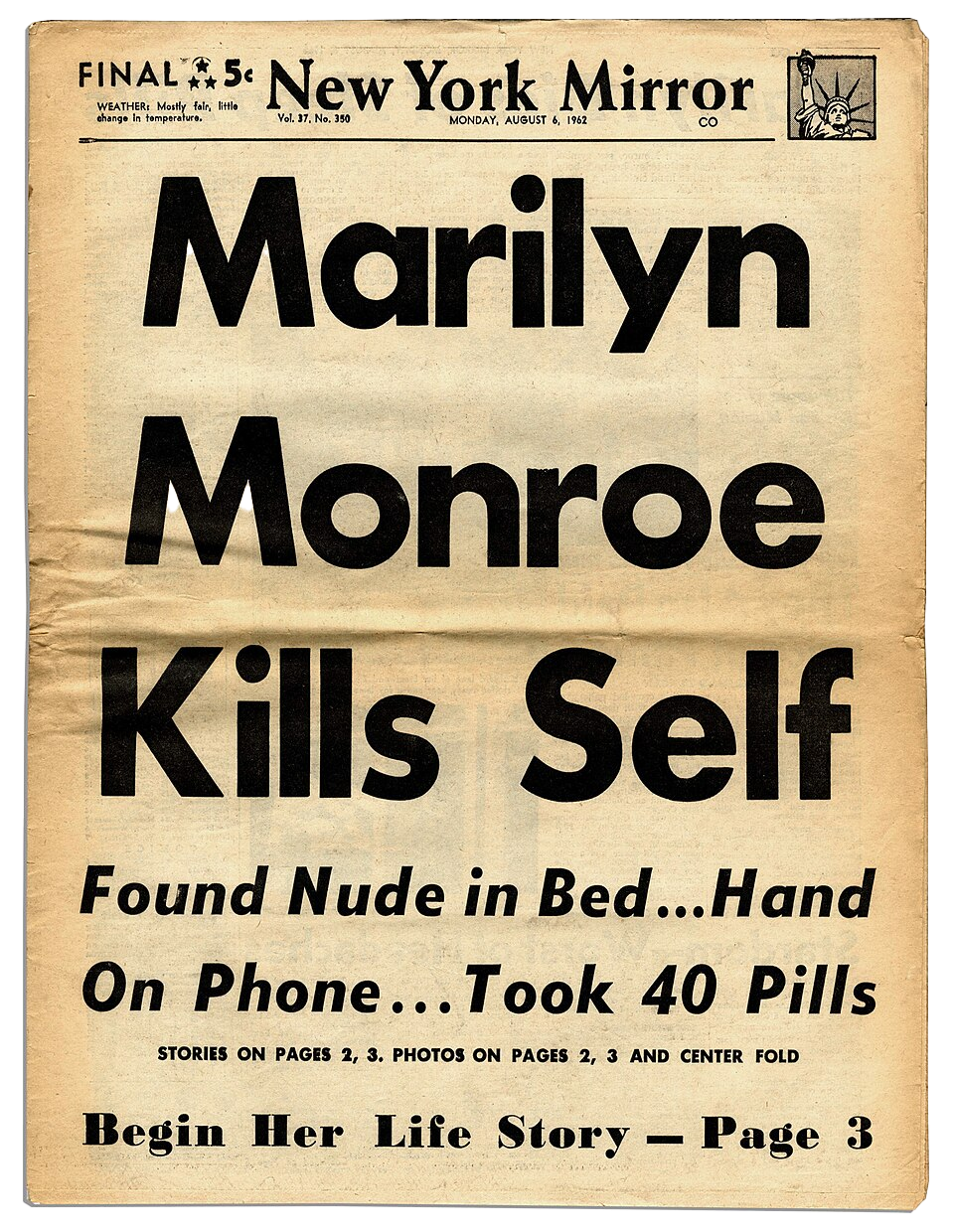
The 1982 Investigation Into Marilyn Monroe’s Death
Why the 1982 Investigation Was Conducted
In the years following the death of Marilyn Monroe on August 5, 1962, speculation continued to appear in books, magazine articles, and television programs suggesting that Monroe may have been murdered. These claims, often described as conspiracy theories, attracted significant public attention and media coverage. By the early 1980s, the persistence of these allegations prompted renewed questions about the circumstances surrounding her death. In response, John Van de Kamp directed the Los Angeles County District Attorney’s Office to conduct a formal review of the case in 1982. Investigators examined prior reports, reviewed available evidence, and interviewed individuals connected to Monroe and the original investigation in order to determine whether any credible evidence of homicide existed.
After examining the available evidence, the District Attorney’s Office concluded that no credible evidence of homicide had surfaced and that the original finding of probable suicide remained supported by the evidence.
What the Investigators Reviewed
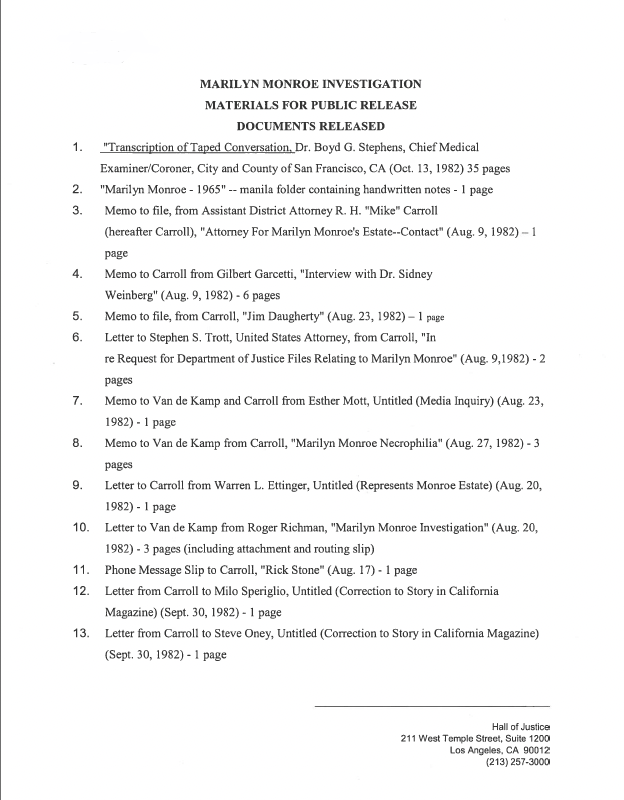
The investigative file compiled during the 1982 inquiry contains a wide range of materials, including investigative reports, internal memoranda, witness interviews, correspondence, and supporting research gathered by the District Attorney’s Office.
Among the materials documented in the file are:
- Investigator reports summarizing interviews conducted in 1982
- Memoranda and correspondence between investigators and prosecutors
- Requests for federal records from the U.S. Department of Justice
- Letters from journalists, researchers, and members of the public
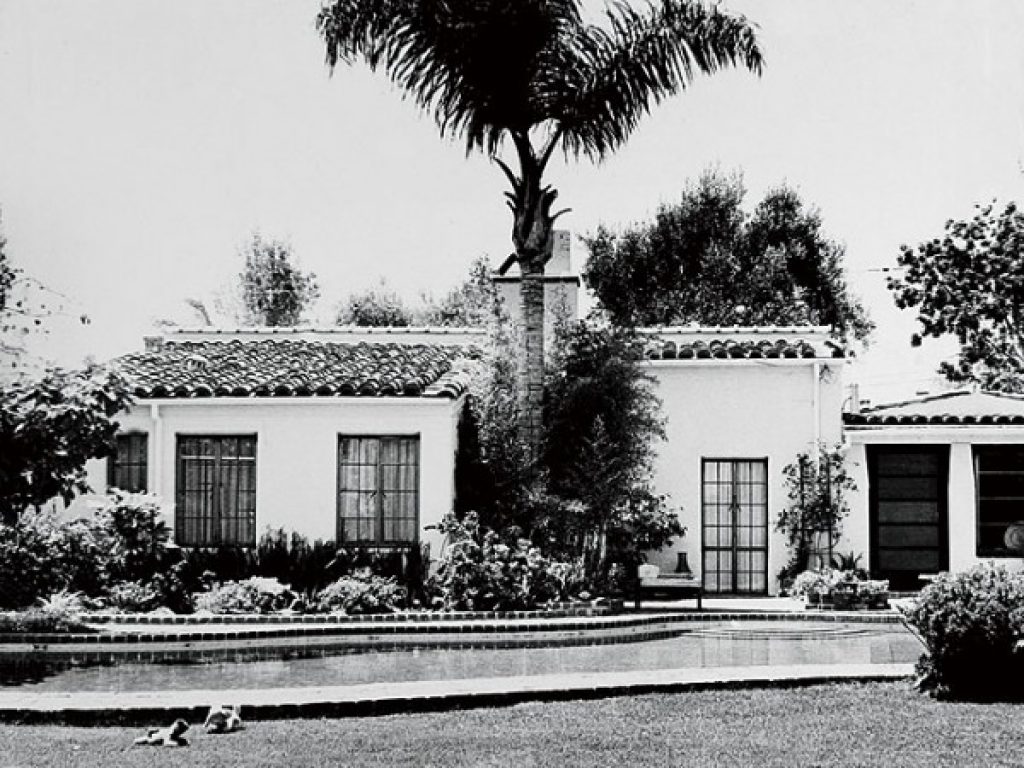
- Photographs of Monroe’s Brentwood home and surrounding area
- Copies of earlier investigative materials related to the 1962 death investigation
- Research files and background materials supplied by outside investigators and authors
The files also contain notes, telephone message slips, and internal investigative documents prepared as the District Attorney’s Office evaluated various claims about Monroe’s death.
Individuals Interviewed During the Review
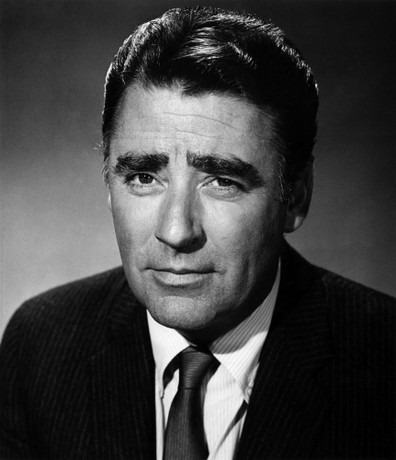
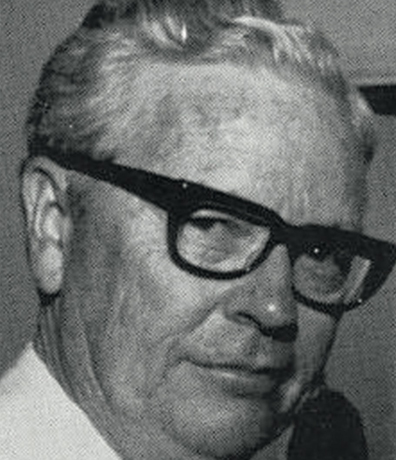
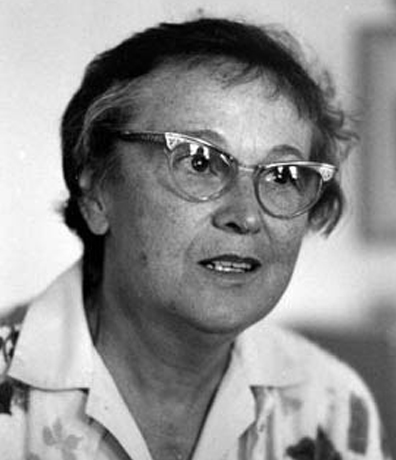
As part of the inquiry, investigators conducted interviews with numerous individuals who had knowledge of Monroe, the events surrounding her death, or later allegations about the case. These included:
Medical and forensic personnel
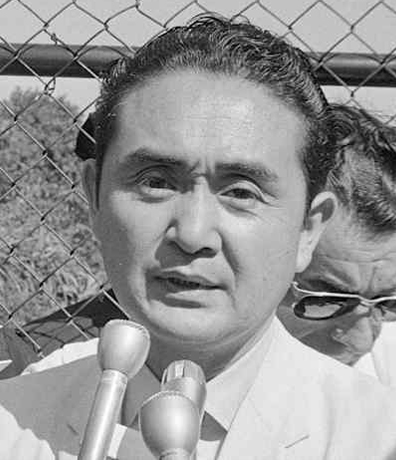
- Dr. Thomas Noguchi, former Los Angeles County Chief Medical Examiner
- Dr. Robert Litman, member of the original psychiatric investigative team
- Dr. Ronald Kornblum, Los Angeles County Coroner
- Representatives from Abbott Laboratories regarding pharmaceutical evidence
Law enforcement and investigators
- Jack Clemmons, the first police officer to arrive at Monroe’s home in 1962
- Lionel Grandison, a former Coroner’s Department employee
- Private investigator Milo Speriglio
- Various investigators connected with the original case
Journalists and writers
- Richard Stolley of Life magazine
- Photographer Leigh Wiener
- Writer Marvin Wald
- Author Robert Slatzer (Despite Robert Slatzer’s claim that he secretly married Marilyn Monroe in Mexico in 1952, no documentation supporting the story has ever surfaced. What is documented, however, is a check written by Monroe to a Beverly Hills store on the very day Slatzer later claimed the marriage occurred. No official record of such a marriage has ever been found.)
Individuals connected to Monroe’s circle or the original investigation
- Johanna Karl
- Ken Hunter
- Peter Lawford
- Eunice Murray
- Jeanne Carmen (Despite her claims, there is no evidence that Jeanne Carmen ever knew Marilyn Monroe, and historians widely agree that the two were not connected.)
Investigators also interviewed Monroe’s neighbors and other individuals who had contact with her or knowledge of the circumstances surrounding her death.
Additional Evidence and Research
The investigative file further documents research conducted into:
- Telephone records connected to Monroe and individuals associated with her
- Claims published in books and magazine articles
- Allegations made by private investigators and researchers
- Possible connections suggested between Monroe and political figures
Investigators also reviewed materials supplied by outside sources, including authors, journalists, and private investigators who had conducted their own inquiries into Monroe’s death.
Why this Report is Being Shared
For decades, the death of Marilyn Monroe has been the subject of books and documentaries promoting disproven sensationalized conspiracy theories. The documents presented here are shared so that the public can examine the actual investigative record from the 1982 review conducted by the Los Angeles County District Attorney’s Office. Rather than relying on speculation, readers can see firsthand what investigators reviewed and how their conclusions were reached.
Related Research and Information
The Final Determination
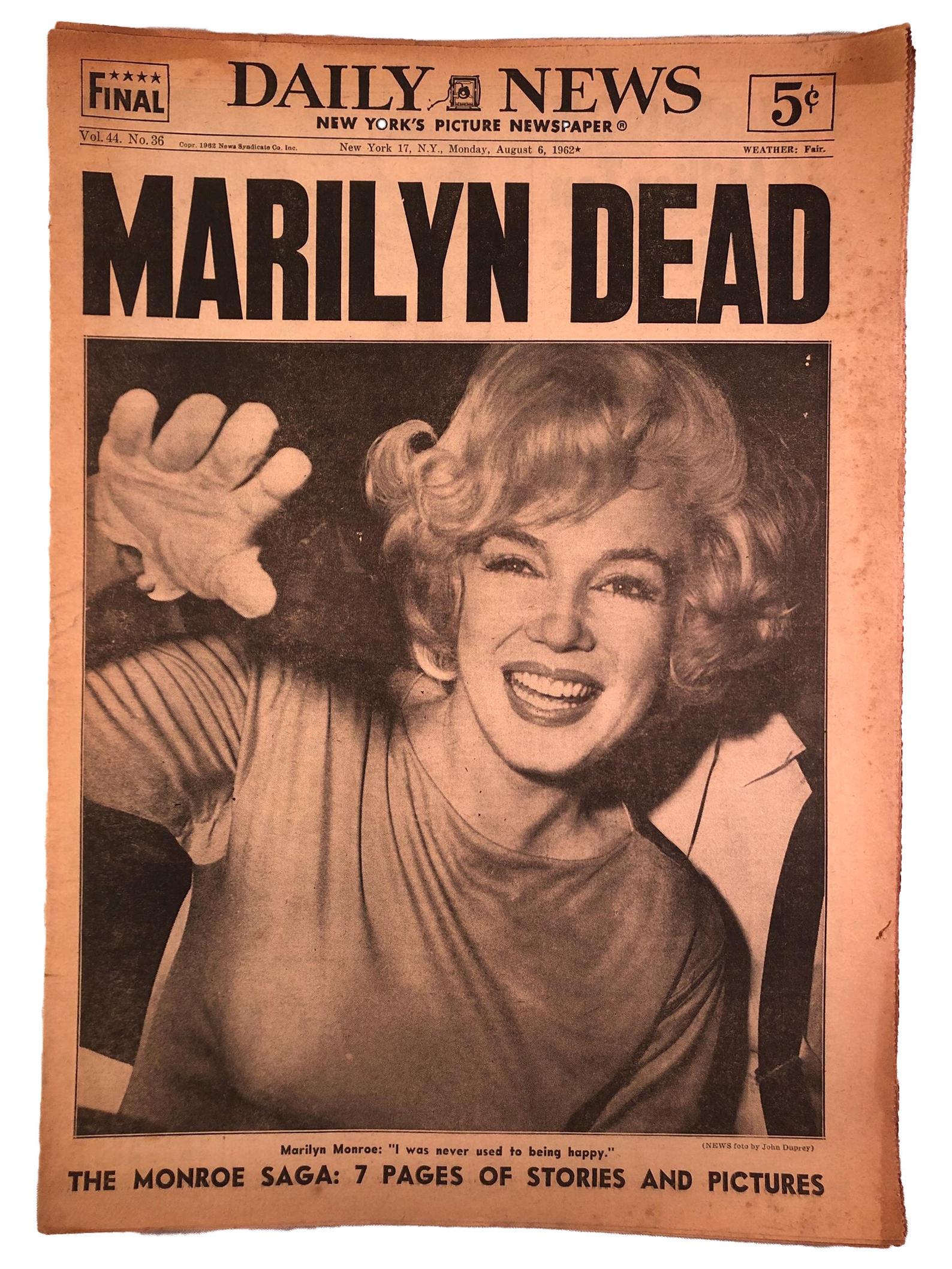
After reviewing the available evidence and conducting new interviews, the District Attorney’s Office concluded that no evidence of a criminal conspiracy or homicide could be substantiated.
The official findings reaffirmed the original conclusion reached in 1962 that Marilyn Monroe’s death resulted from an overdose of barbiturates and was classified as a probable suicide.
Download the Full Report
Part 1
Part 2
Part 3
Part 4
Part 5
Part 6
Part 7
Learn About Marilyn Monroe
Discover more about the life and legacy of Marilyn Monroe.